Last updated: May 2026 | By the Editorial Team
OurDream AI Character Creation 2026: Build Great Characters on a Free Plan
A well-built OurDream AI character with a 200–500 word backstory produces approximately 40% more consistent responses than a minimal setup. That consistency is worth the 10–15 minutes of upfront work — you spend less time correcting out-of-character responses and more time getting the experience you want. This guide covers every step of character creation with specific techniques that improve results.
For platform context, see our full OurDream AI review.
Step 1 — Choose Your Art Style

The first and most consequential decision is art style: Realistic or Anime. This choice cannot be changed after the character is created — choose deliberately.
Realistic Style: Generated using Stable Diffusion 1.5 optimized for photographic quality. Characters appear as high-detail photorealistic portraits with natural skin textures, lighting, and proportions. Best for users who want immersive, naturalistic visuals.
Anime Style: Also powered by Stable Diffusion 1.5 but optimized for illustrated aesthetics. Characters feature stylized proportions, vibrant colors, and the visual language of anime and manga. Best for users who prefer the aesthetic conventions of Japanese animation.
There is no quality difference between styles — both are generated at equivalent resolution and detail levels. The choice is purely aesthetic preference. Since you can't change it later, take a moment to browse community examples of both styles before committing.
For a full overview of how the platform uses these styles in practice, see the how to use OurDream AI guide.
Step 2 — Design Appearance
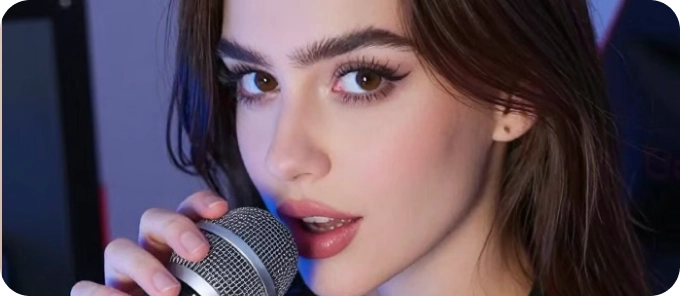
Unlike most competitor platforms that use dropdown selections, OurDream AI uses continuous sliders for appearance customization. This means infinite granularity rather than 5–10 preset options.
Customizable appearance elements:
- Face shape and structure
- Hair style, length, and color
- Eye shape and color
- Skin tone (full spectrum)
- Body type and proportions
- Outfit style and formality
Pro tip: Start with a few key defining features rather than adjusting everything at once. Pick the 2–3 appearance elements that matter most to you and tune those precisely. The character's visual consistency is most affected by face and hair settings — these are the elements that appear in every generated image.
You can create unlimited characters — there's no cap on how many characters you build or maintain simultaneously.
Step 3 — Set Personality
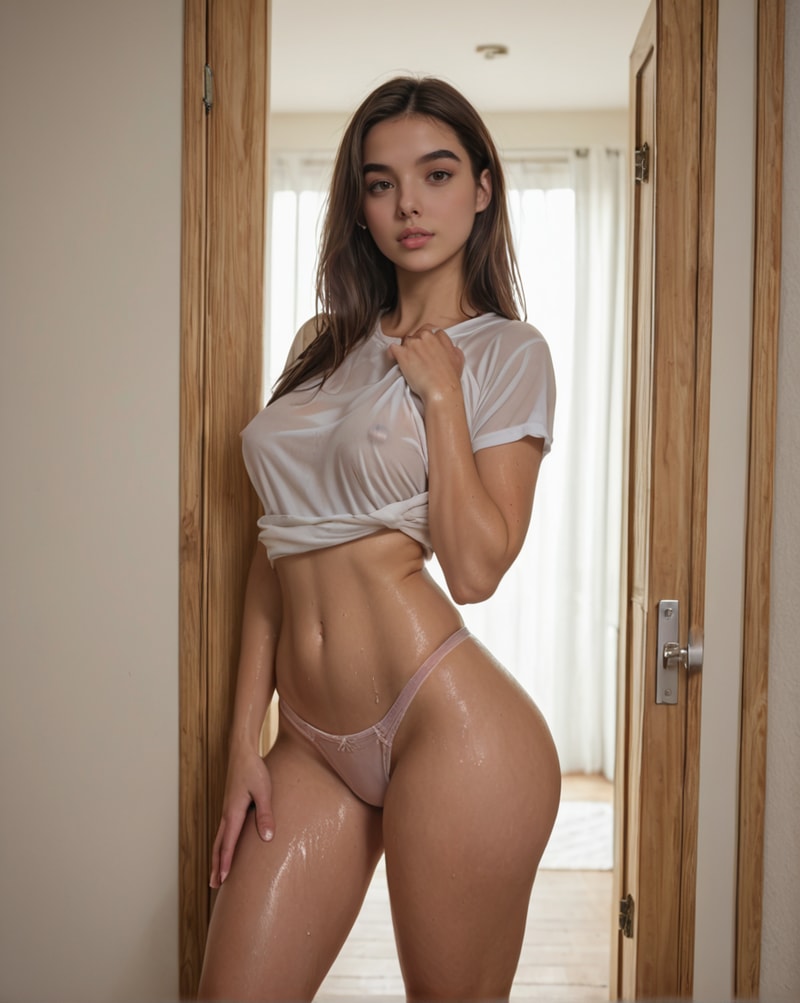
The personality system is where OurDream AI's depth advantage over competitors becomes most apparent. Candy AI offers 12 dropdown personality types. OurDream AI provides:
- 40+ personality presets as starting points
- Continuous trait sliders for fine-tuning (dominant-submissive, serious-playful, introverted-extroverted, etc.)
- Lust level slider (relevant for NSFW content calibration)
- 100+ occupation choices that influence communication style and knowledge areas
- 100+ hobby options that shape conversational topics and interests
How to use personality sliders effectively: Don't just pick a preset and leave it. Presets are starting points. Adjust the sliders to create a character that blends traits — a 70% dominant, 30% playful character behaves differently than a pure dominant or pure playful preset.
Personality slider changes apply to future messages, not retroactively. You can adjust mid-conversation to shift the dynamic as needed.
Step 4 — Write Backstory
The backstory field is the single most impactful element for response quality and consistency. This is where you give the AI the context it needs to behave as a coherent, believable character.
Recommended length: 200–500 words
What to include:
- Character's name, age, and basic identity
- Occupation and how it shapes their personality
- Key life experiences that explain their current disposition
- Relationship history (relevant to how they interact with the user)
- Specific quirks, speech patterns, or behavioral tendencies
- What they want and what they fear
Lorebooks: For complex scenarios, create lorebook entries in the character settings. These are keyword-triggered documents — when a specific word appears in conversation, the AI references that entry. Use lorebooks for fictional worlds, recurring supporting characters, or specific scenario rules that you want the AI to apply consistently.
Fetish and interest categories: 60+ fetish categories can be selected to shape the character's interests and preferences. These influence NSFW content behavior and conversation focus when relevant.
Step 5 — Select Voice
OurDream AI offers 19 voice profiles, covering a wide range of accents, tones, and speaking styles. Voice selection operates independently from personality — you can assign any voice to any personality type.
Voice profile categories include:
- American accents (various regional and tone variations)
- British accents
- Other international English accents
- Soft/breathy to clear/projected tone spectrum
- Lower to higher pitch range
Voice is used for both voice messages (5 DreamCoins each) and voice calls (50 DreamCoins/minute). Choose a voice that matches your character's overall presentation — a character with a formal occupation and serious personality may benefit from a clear, composed voice profile.
You can change the voice at any time in character settings without affecting any other character attributes.
Popular Pre-Made Characters
Not everyone wants to build from scratch. The OurDream AI community has created 7 million+ characters. Some of the most frequently interacted-with characters include:
- Zoey — one of the most popular characters on the platform, casual and warm personality
- Mina Park — anime-style character with high engagement ratings
- Serena — realistic style, sophisticated personality
- Violet — darker aesthetic, mysterious persona
- Jade — playful, energetic communication style
- Luna — gentle, nurturing interaction style
Browsing community characters is a good way to understand what high-quality character creation looks like before building your own.
FAQ
Unlimited. There is no cap on the number of characters you can create or maintain simultaneously. You can build entirely separate characters for different use cases, interaction styles, or aesthetic preferences.
Most settings — personality, backstory, lorebooks, voice, hobbies, occupation, and appearance sliders — can be adjusted after creation. The one exception is art style (Realistic vs Anime): this cannot be changed after the character is created. Choose carefully at the start.
A strong backstory is 200–500 words and includes specific details: name, age, occupation, key life experiences, personality quirks, and what the character wants from interactions with you. Vague backstories produce generic responses; specific backstories produce character-consistent, engaging responses. Think of it as writing a character profile, not a brief description.
Among community-created characters, Zoey, Mina Park, Serena, Violet, Jade, and Luna are among the most frequently interacted-with. The community library contains 7 million+ characters spanning both Realistic and Anime art styles across every personality type.
Personality sliders are continuous spectrum controls (not discrete options). They let you blend traits precisely — for example, 60% submissive / 40% dominant, or 80% serious / 20% playful. Changes to sliders apply to future messages in the conversation, not retroactively to the current session history.